
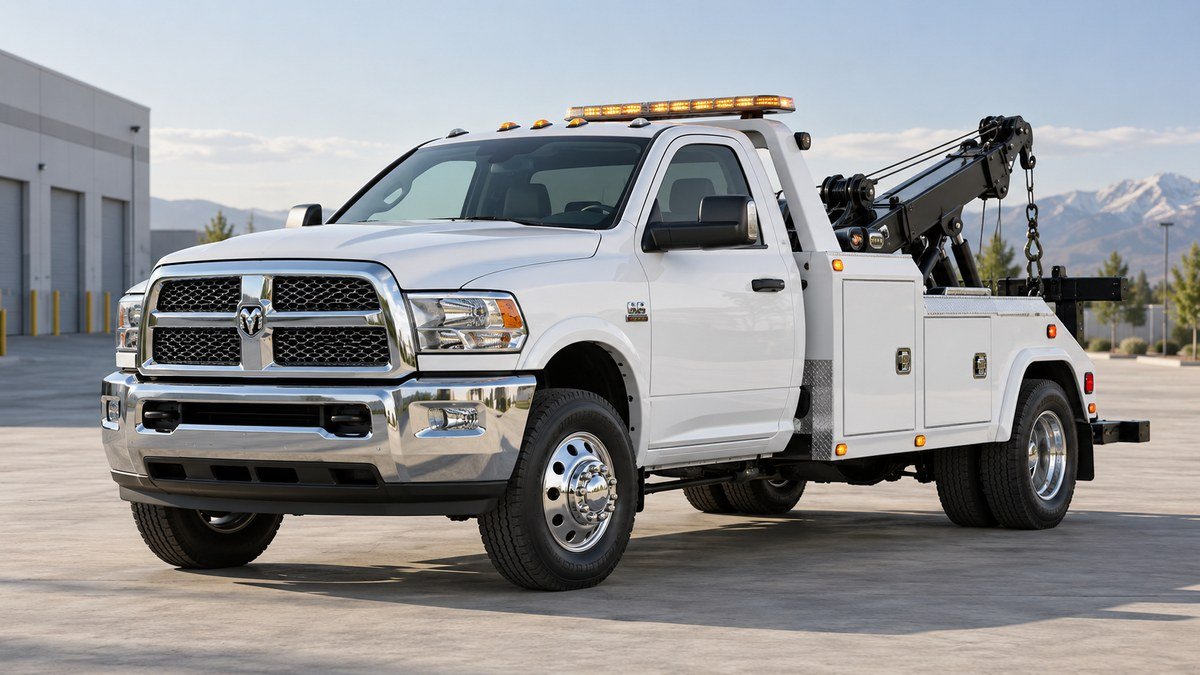
Wheel lift
Light-duty wrecker
Motor club calls, private property impounds, lockouts and jump starts. High call volume and high roadside exposure.
- On-hook sized to your tows
- Motor club certificates
- Heavy roadside exposure
California, Arizona & Texas
Built for the road ahead
Your commercial auto policy covers the truck you drive. It does not cover the car on your hook, or the vehicle sitting in your yard. Those are separate coverages, and the space between them is where towing operators get hurt.

Your insurance partner
Insurance Agent
More than insurance. A higher standard.
Towing is not a desk business. Your trucks work at night, on the shoulder of a freeway, with someone else's property on the deck. A policy built from a generic commercial auto template looks fine right up until the first real claim.
So I read the agreements you actually sign: motor club contracts, rotation terms, storage requirements. Then I build the program around them. When something happens, you should already know which coverage answers and what your deductible is. That is the whole job.
Phone
(209) 534-0656Office
1975 Hamilton Avenue, Suite 33California licence
Lic. No. 4572235Arizona licence
Lic. No. 22324557Texas licence
Lic. No. 3557133What you run
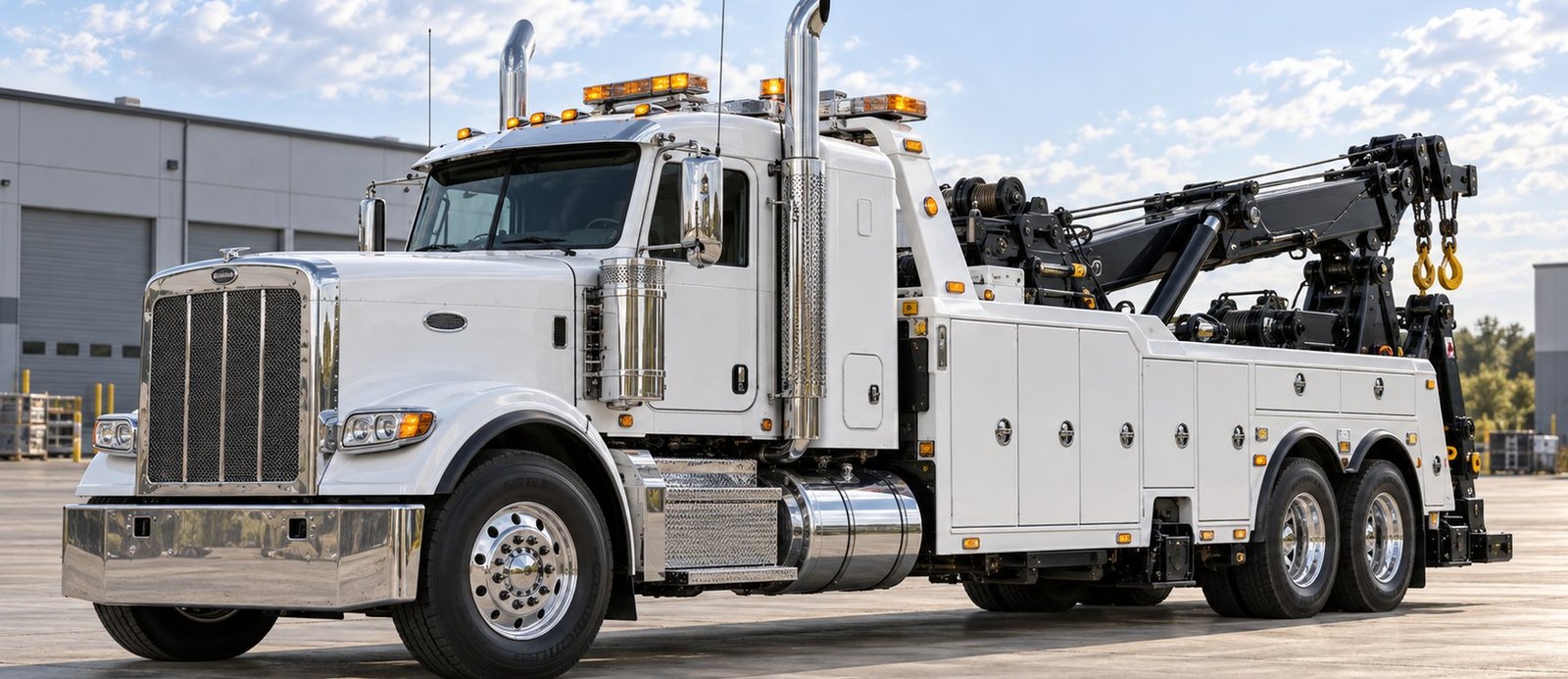
Underwriters do not price a one-truck light-duty operation the way they price a rotator. Describing the equipment accurately is how you stop paying for the wrong schedule.
Wheel lift
Motor club calls, private property impounds, lockouts and jump starts. High call volume and high roadside exposure.
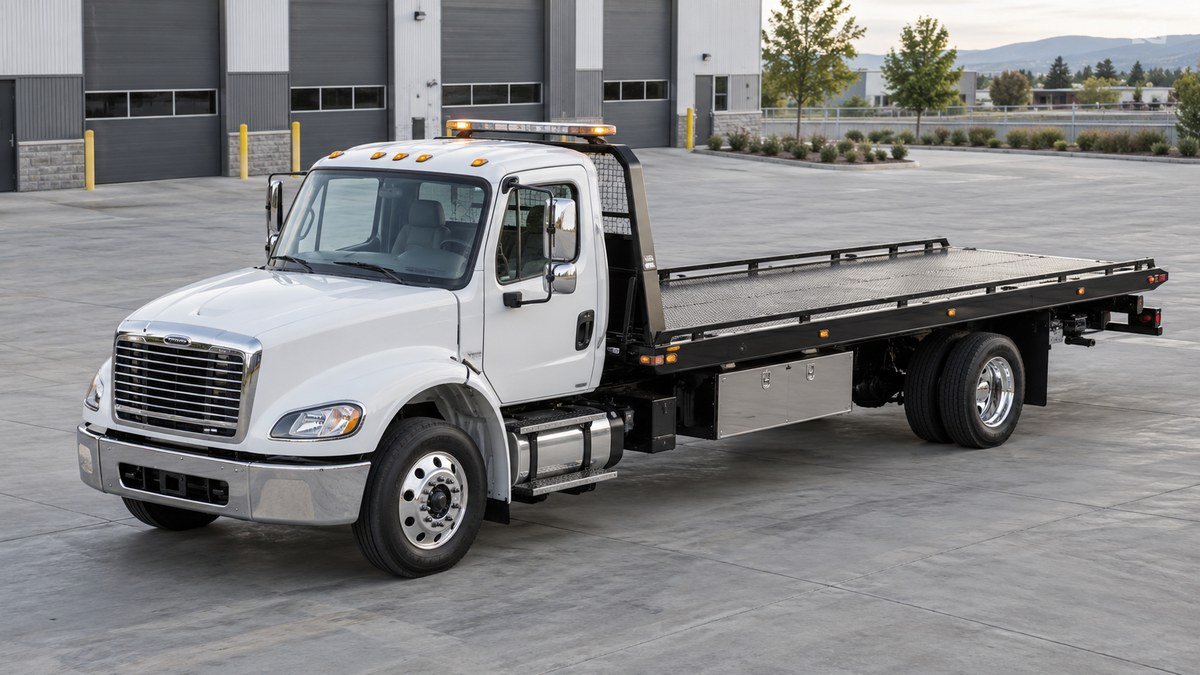
Rollback
Dealer transport, collision recovery, all-wheel-drive and low-clearance vehicles. Higher values riding on the deck.
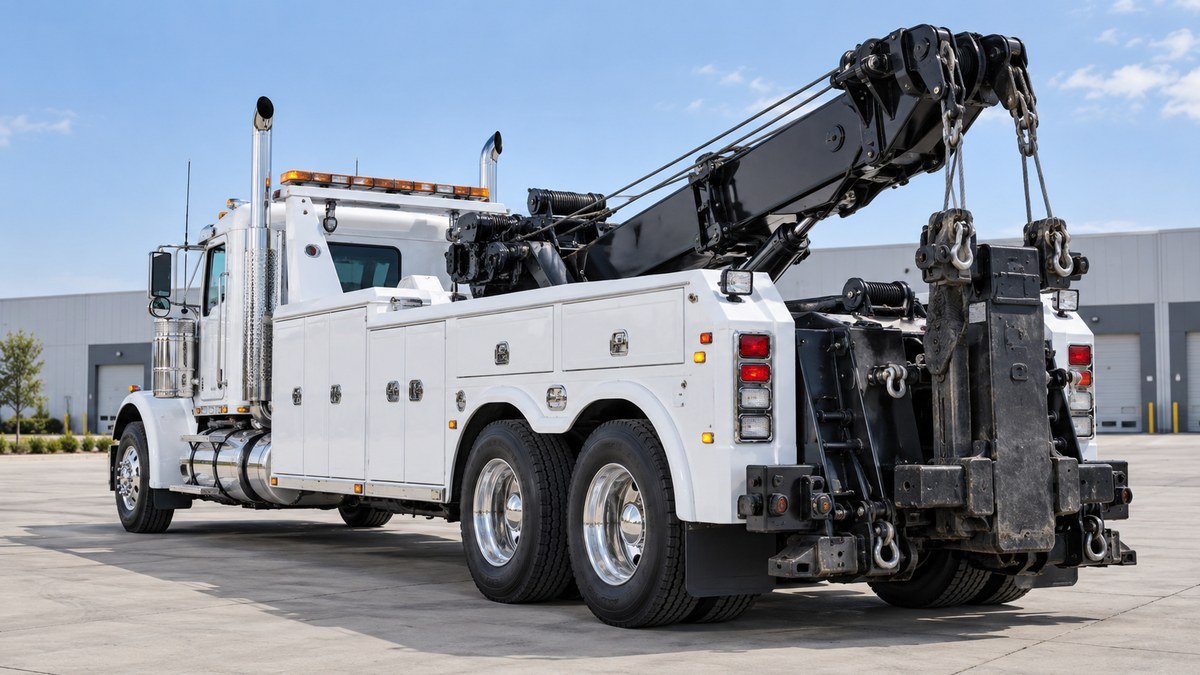
Recovery
Tractor-trailer recovery, overturns and winch-outs. Scene work that runs for hours around your most valuable unit.
Who this is for
Each one has a different weak spot. Knowing which one you are tells us where to look first.
One truck, often one driver, running motor club calls or private property work. The gap is usually on-hook, or a limit too low for the contract.
Several trucks, hired drivers, growing fast. The gap moves off the trucks and onto the business layer: general liability and workers' comp.
A yard full of other people's vehicles overnight. The gap is the garagekeepers form: legal liability where direct primary was needed.
Rotators, winch-outs and freeway scene work. The gap is limit: a primary policy that cannot absorb a multi-party highway incident.
The essentials
These four carry most of the weight. The full breakdown, including physical damage, umbrella and the endorsements worth asking about, is on the coverage page.
On the road
Injury and property damage your truck causes to other people. Required by law, and the coverage every contract checks first. Towing operators are commonly written at $1,000,000 combined single limit or higher.
Pays when: your driver rear-ends a car on the way to a call.
In transit
The customer's vehicle while it is hooked, loaded or being hauled. Standard auto policies exclude property in your care, custody or control, which is exactly what a towed vehicle is. Limits are set per vehicle.
Pays when: a strap fails and the car on your deck takes body damage.
In your yard
Customer vehicles stored on your lot. The form matters more than the limit. Legal liability pays only if you were negligent, while direct primary pays regardless of fault. Storage operations carry direct primary.
Pays when: hail hits the lot, or somebody cuts the fence overnight.
Everywhere else
Injuries and damage tied to your operation rather than your vehicle: the office, the yard, and the roadside work once your crew is out of the truck. Workers' comp covers the drivers themselves.
Pays when: a customer slips crossing your lot to pay a release fee.
How this works
Trucks and VINs, radius, who dispatches you, whether you store, and whether you touch repossession work. Fifteen minutes on the phone covers most of it.
You get the quote plus a plain list of what is not covered and what it would cost to close each hole. You decide what to carry. No surprises at renewal.
Motor clubs, cities, the DMV, storage contracts, and any certificate holder that has to be named before you are back in the rotation.
Bring what you already have. You will get a straight read on what it covers, what it misses, and whether it is worth changing, before you commit to anything.